01 / Terrain
Read what others miss.
Aspect, elevation, and snowpack turn a mountainside into a story you can understand.
Alpine field guideIssue 001
For skiers, riders, and high-mountain originals who see a whole mountain where others see a marked run.
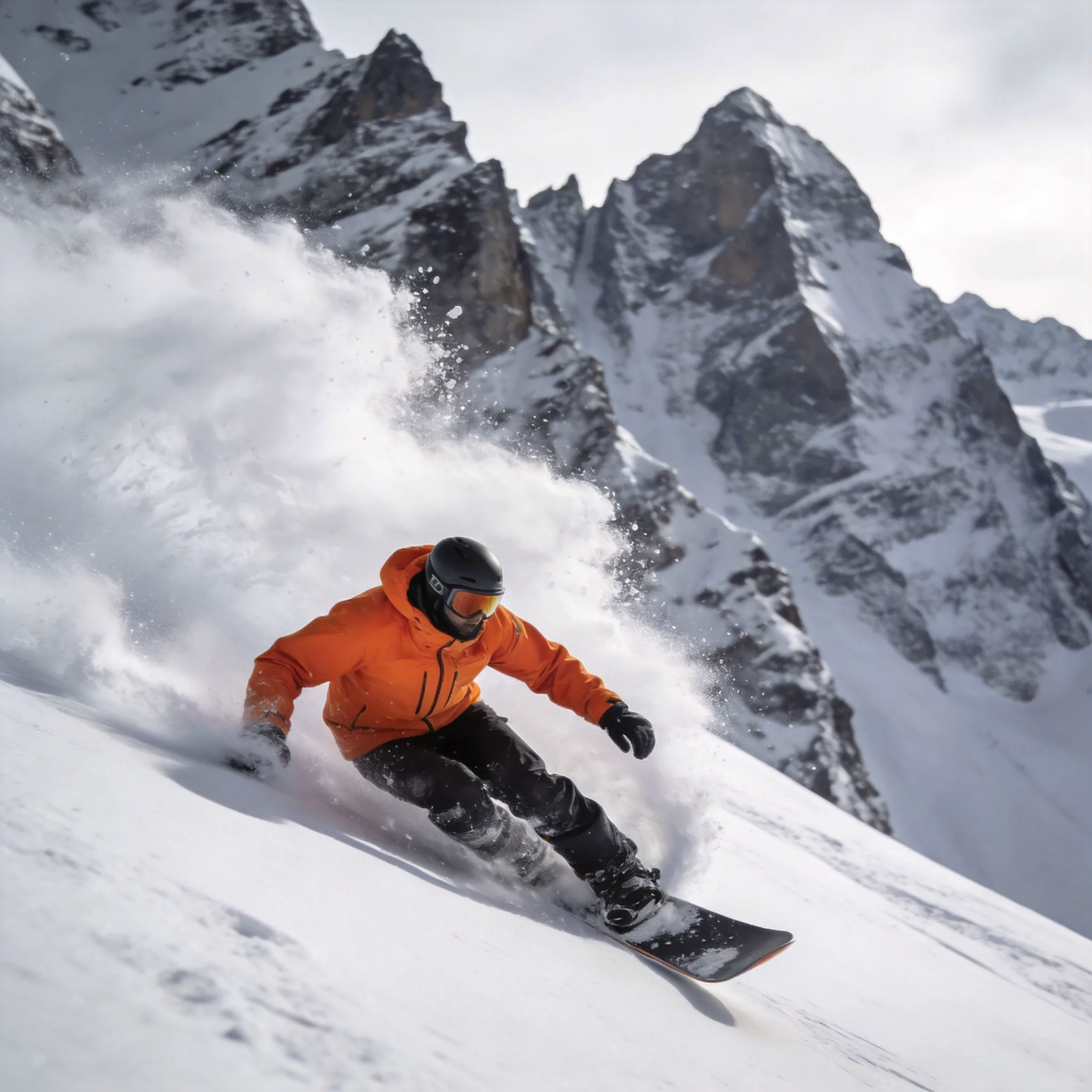
Aspect, elevation, and snowpack turn a mountainside into a story you can understand.
Different tools, shared instinct. Build a day around the way you actually want to move.
Freeride is not a score or a pose. It is a deliberate choice to explore on your own terms.
01 / Mountain stories
Cold air. A quiet ridge. The split second before gravity takes over. Some feelings cannot be explained in a trail report—so we captured them instead.
It is about the turn that surprised you, the crew that waited, and the line you still think about on the way home.
02 / The brief
A memorable alpine day is built on attention, not bravado. Start with a simple brief, match the terrain to your ability, and leave room for the mountain to change the plan.
Learn to read terrainFour questions.
One better decision.
Resort laps, a first sidecountry route, or a technical steep line—name it clearly.
Check official forecasts, recent weather, snowpack, closures, and local patrol guidance.
Agree on ability, communication, equipment, and a turnaround rule before you drop in.
Know your route back, your bailout options, and when the smart choice is simply not to go.
03 / Terrain literacy
Contours show shape. Experience adds context. Use both to understand how a line may ski or ride—and where uncertainty remains.
North-facing slopes often hold colder snow; solar aspects can change quickly. Aspect is a clue, never a guarantee.
Slope angle affects speed, sluff, avalanche hazard, and the complexity of every turn. Match it to your training.
Identify terrain traps, safe regrouping points, and your way home before committing to the first turn.
04 / Ski + snowboard
There is no right way to draw a line through snow. Choose the feel, learning curve, and terrain focus that make you want one more run.
Independent leg movement, a natural forward stance, and precise edge control make skiing adaptable from corduroy to complex alpine faces.
A sideways stance and connected edge platform create a flowing, surf-inspired feel that comes alive in powder, trees, and creative resort lines.
05 / Freeride mindset
Action sports reward progression, not impulse. Build technique inbounds, learn from qualified professionals, and expand your terrain only when your decisions can keep up.
Read the field notesInspect the feature, check the runout, progress gradually, and never session alone.
Technical terrain demands specific training, reliable partners, and conservative decisions.
Follow resort rules, respect closures, stay in control, and yield to people downhill.
Backcountry is different. Avalanche education, current local forecasts, and appropriate rescue equipment are essential. This template provides general information, not professional instruction or a go/no-go assessment.
06 / Field notes
Short answers for better days on snow. Always defer to local professionals and current official information.
Both. WHITELINE is built around a shared alpine mindset: understand the terrain, choose your equipment deliberately, and ride in a way that leaves you wanting another day.
Freeride focuses on natural terrain and line choice, often in ungroomed snow. Freestyle emphasizes jumps, rails, tricks, and technical maneuvers. The two can overlap, but each requires specific skills and risk assessment.
No. A map is only one input. Current avalanche forecasts, weather, snowpack observations, terrain assessment, training, and local expertise all matter. When uncertainty is high, choose simpler terrain or do not go.
Carry equipment appropriate to the objective and know how to use it. In avalanche terrain, that typically includes a transceiver, probe, and shovel for every person, plus communication and emergency supplies. Seek certified instruction before relying on any equipment.
Book a qualified lesson, rent properly fitted equipment, review the resort responsibility code, and start on terrain matched to your ability. A strong first day is one that builds confidence without rushing progression.
Your next line / Start here
